

Pocket Knife Guide: How to Choose, Use, and Maintain a Folding Knife Safely
 steelvanguard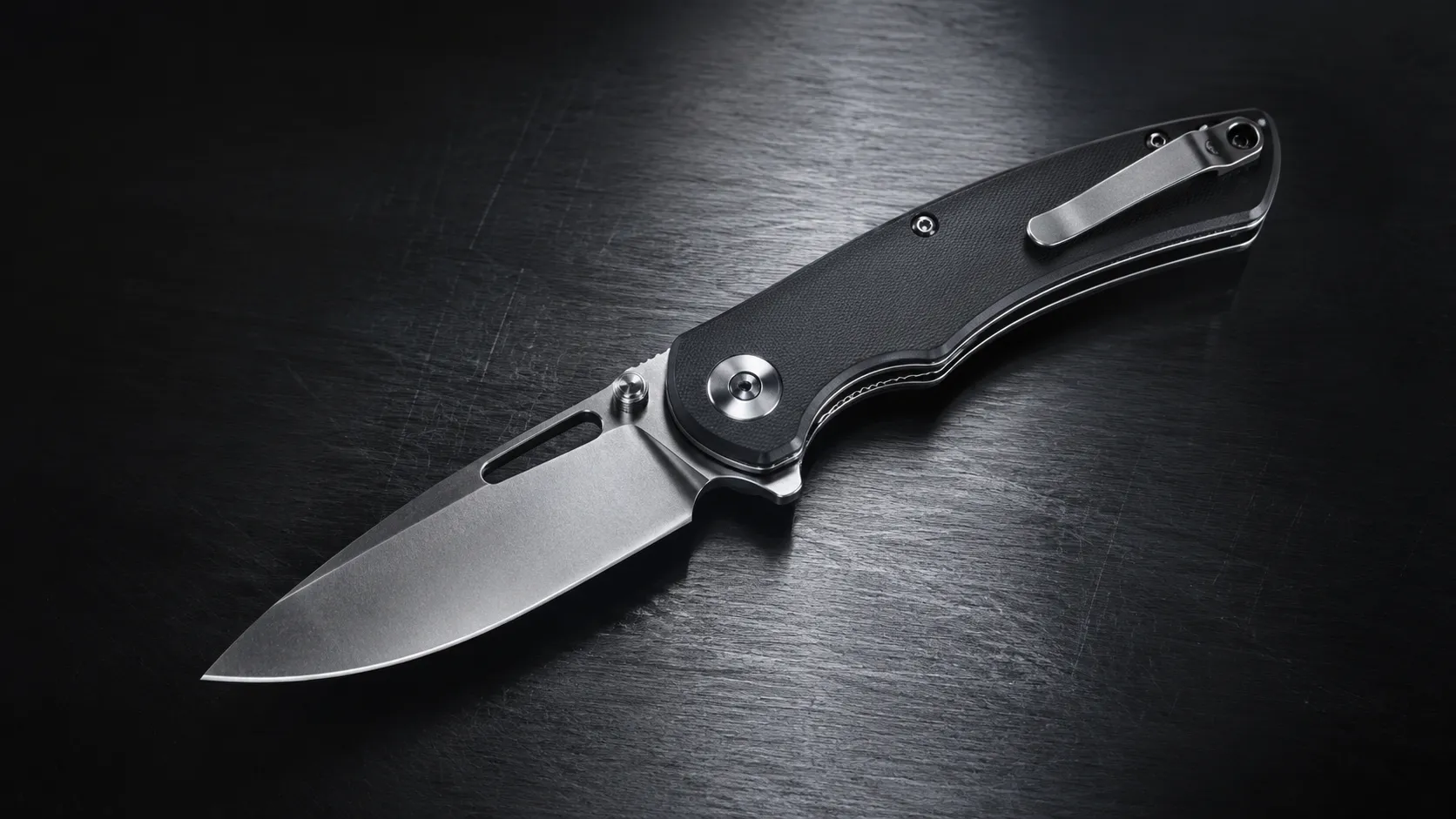
Steel Vanguard is reader-supported. When you buy through links on our site, we may earn an affiliate commission at no extra cost to you.
A pocket knife is a compact folding tool designed for everyday cutting tasks such as opening boxes, trimming cord, slicing fruit, sharpening pencils, and handling small utility jobs. The best pocket knife is not the most expensive one. It is the one that fits your use, your hand, your budget, and your local laws. This pocket knife guide explains how to choose, use, maintain, and carry a folding knife responsibly.
For most beginners, a good everyday pocket knife should have:

- A blade between 2.5 and 3.5 inches
- A simple blade shape such as drop point, sheepsfoot, or Wharncliffe
- Stainless or semi-stainless steel that is easy to maintain
- A safe lock or slipjoint mechanism
- A comfortable handle with reliable grip
- A legal carry profile for your location
Pocket knives should be treated as tools, not weapons. Learn how your knife opens, closes, locks, and cuts before carrying it daily.
Quick Answer: What Pocket Knife Should a Beginner Choose?
Most beginners should choose a folding pocket knife with a 2.5 to 3.5 inch blade, a drop point or Wharncliffe shape, stainless or semi-stainless steel, a comfortable handle, and a lock or slipjoint mechanism they can close safely. Avoid automatic knives unless you clearly understand your local laws.
What Is a Pocket Knife?
A pocket knife is a small folding knife designed to be carried in a pocket, bag, pouch, or clipped to clothing. Unlike a fixed-blade knife, a pocket knife folds into its handle when not in use. This makes it safer and more convenient to carry.
Pocket knives are used for practical daily tasks. They help with packaging, light outdoor work, food preparation, rope cutting, cardboard breakdown, and general utility jobs. A well-made pocket knife can last for years if you clean it, sharpen it, and use it responsibly.
At Steel Vanguard, we treat pocket knives as practical tools. This guide explains the main parts, blade steels, blade shapes, locks, handles, opening systems, care methods, legal considerations, and buying criteria so you can choose with confidence.
Why Carry a Pocket Knife?
A pocket knife is useful because it gives you a controlled cutting edge when you need one. Many people carry one for work, travel, camping, fishing, hiking, warehouse tasks, gardening, DIY projects, and everyday carry.
Common pocket knife uses include:
- Opening packages and mail
- Cutting tape, zip ties, rope, and cord
- Breaking down cardboard
- Preparing fruit or snacks
- Trimming loose threads
- Sharpening pencils or wooden stakes
- Light camping and outdoor tasks
- Emergency utility cutting when lawful and appropriate
A pocket knife is not a replacement for every tool. It should not be used as a screwdriver, pry bar, chisel, hammer, or weapon. Misusing a knife can damage the blade, break the tip, void warranties, and cause serious injury.
Pocket Knife Anatomy

Understanding the parts of a pocket knife helps you choose a better one, use it safely, and maintain it properly.
Blade
The blade is the cutting part of the knife. It includes the edge, spine, tip, belly, and tang. Blade shape, steel, thickness, grind, and heat treatment all affect performance.
Edge
The edge is the sharpened part of the blade. It does the cutting. Edges can be plain, serrated, or partially serrated.
A plain edge is best for clean slicing and easy sharpening. A serrated edge works well on rope, fibrous materials, and tough packaging, but it is harder to sharpen. A partially serrated edge gives both options but can be less efficient for users who prefer a full plain edge.
Spine
The spine is the unsharpened back of the blade. A thicker spine adds strength but can reduce slicing performance. A thinner spine usually slices better but may not handle rough use as well.
Tip
The tip is the point where the edge and spine meet. A fine tip is useful for detail work but can be fragile. A stronger tip is better for general utility tasks.
Belly
The belly is the curved part of the cutting edge. More belly helps with slicing, skinning, and sweeping cuts. Less belly gives better control for straight cuts and utility work.
Tang
The tang is the portion of the blade that extends into the handle. On a folding knife, the tang interacts with the pivot and lock mechanism.
Pivot
The pivot is the screw or pin that allows the blade to rotate open and closed. A good pivot should feel smooth, stable, and free from excessive side-to-side blade play.
Handle
The handle is the part you hold. It protects your hand, houses the blade when closed, and affects grip, comfort, weight, and control.
Scales
Scales are the outer handle panels. They can be made from G10, Micarta, FRN, aluminum, titanium, wood, carbon fiber, or stainless steel.
Liners
Liners are internal metal plates inside the handle. They add structure and may also form part of the locking mechanism.
Backspacer or Standoffs
A backspacer fills the gap between handle scales along the spine side of the handle. Standoffs are small posts that hold the handle scales apart. Open standoff construction makes cleaning easier.
Pocket Clip
A pocket clip allows the knife to be clipped to a pocket, belt, or bag. Clips can be tip-up, tip-down, right-hand, left-hand, or reversible depending on the design.
Lock Mechanism
A lock mechanism holds the blade open during use. It helps prevent accidental closure. Not every pocket knife has a lock. Traditional slipjoint knives rely on spring tension instead.
Opening Method
Pocket knives may open with a nail nick, thumb stud, thumb hole, flipper tab, assisted mechanism, or automatic button. Laws may restrict some opening mechanisms, so always check local rules before buying or carrying.
Blade Steel: The Heart of a Pocket Knife
Blade steel strongly affects how a pocket knife performs. However, steel type alone does not determine quality. Heat treatment, blade geometry, edge angle, grind, and sharpening matter just as much.

The most important blade steel properties are:
- Edge retention
- Toughness
- Corrosion resistance
- Hardness
- Sharpenability
Edge Retention
Edge retention means how long the blade stays sharp during use. A knife with high edge retention cuts longer before needing sharpening. This is useful if you cut cardboard, rope, packaging, or abrasive materials often.
Toughness
Toughness means resistance to chipping, cracking, and breaking. Tough steel is useful for outdoor work, harder utility tasks, and situations where the blade may experience impact or twisting forces.
Corrosion Resistance
Corrosion resistance means how well the steel resists rust and staining. Stainless steels generally resist rust better than high-carbon steels. If you live near the coast, work around sweat, food, rain, or humidity, corrosion resistance matters.
Hardness
Hardness is usually measured in HRC. Harder steel can hold an edge longer, but it may also become more brittle if not balanced properly. Softer steel is usually easier to sharpen but may dull faster.
Sharpenability
Sharpenability means how easy it is to restore the edge. Some premium steels hold an edge for a long time but require more patience and better sharpening tools.
Common Pocket Knife Steels
| Steel | Category | General Strength | Best For | Watch Out For |
|---|---|---|---|---|
| 420HC | Budget | Easy to sharpen, corrosion-resistant | Basic utility, beginner knives | Modest edge retention |
| 8Cr13MoV | Budget | Good value, easy maintenance | Entry-level EDC | Needs regular sharpening |
| AUS-8 | Budget | Balanced and simple | Affordable everyday knives | Average edge retention |
| D2 | Mid-range | Strong edge retention for the price | Cardboard, utility work | Not fully stainless |
| 14C28N | Mid-range | Very balanced stainless steel | EDC, wet environments | Not as wear-resistant as premium steels |
| 154CM | Mid-range | Good all-around performance | Quality EDC | Needs proper heat treatment |
| VG-10 | Mid-range | Stainless, fine edge | EDC and slicing | Can chip if abused |
| S30V | Premium | High edge retention | Premium EDC | Harder to sharpen |
| S35VN | Premium | Balanced, tougher than S30V | Premium everyday use | Costs more |
| M390 / 20CV / 204P | Super steel | Excellent edge retention and corrosion resistance | High-end EDC | Expensive and harder to sharpen |
| CPM MagnaCut | Super steel | Excellent balance of toughness, corrosion resistance, and edge retention | High-performance EDC and outdoor knives | Usually expensive |
Best Steel for Beginners
For a first pocket knife, do not chase the most expensive steel. A well-made knife in 8Cr13MoV, AUS-8, 14C28N, 154CM, or D2 can serve most people well.
If you want low maintenance, choose stainless steel. If you want better edge retention at a fair price and do not mind extra care, D2 is a strong option. If you want a premium modern steel and have the budget, CPM MagnaCut, S35VN, or M390 are excellent choices.
The simple rule: choose steel based on your actual use, not hype.
Blade Shapes: Which Pocket Knife Blade Shape Is Best?

Blade shape determines how a knife cuts, pierces, slices, and handles detail work. For most users, blade shape matters more than exotic steel.
Drop Point
The drop point is the most popular all-around blade shape. The spine slopes down toward the tip, creating a strong point and a useful belly. It works well for everyday carry, outdoor tasks, package opening, and general cutting.
For most beginners, a drop point is the safest recommendation.
Clip Point
A clip point has a section of the spine “clipped” away near the tip. This creates a finer point for detail work and piercing. The tradeoff is that the tip can be weaker than a drop point.
Tanto
A tanto blade has a straight main edge and an angled secondary tip. This shape creates a strong point and works well for push cuts and rough utility work. However, it has less belly for slicing and can take more effort to sharpen correctly.
Sheepsfoot
A sheepsfoot blade has a straight edge and a spine that curves down to a blunt tip. It is useful when you want cutting power without an aggressive point. It is common in rescue, work, and utility knives.
Wharncliffe
A Wharncliffe blade has a mostly straight edge and a spine that slopes down to a fine tip. It gives excellent control for opening boxes, trimming, carving, and precise cuts. It is one of the best practical blade shapes for everyday utility.
Spear Point
A spear point has a tip near the centerline of the blade. Some spear points have sharpened or partially sharpened top edges, which may create legal concerns in certain areas. For everyday carry, choose a practical single-edged version and check local laws.
Hawkbill
A hawkbill blade curves inward like a claw. It is excellent for pulling cuts through rope, netting, carpet, cord, and similar materials. It is not ideal as a general-purpose pocket knife.
Common Pocket Knife Blade Shapes
| Blade Shape | Best For | Strengths | Limitations |
|---|---|---|---|
| Drop Point | General EDC | Strong tip, good slicing belly, versatile | Less precise than Wharncliffe for straight utility cuts |
| Clip Point | Detail work and piercing tasks | Fine tip, good belly | Tip can be more delicate |
| Tanto | Hard utility cuts | Strong angular tip, good for push cuts | Less belly, harder to sharpen evenly |
| Sheepsfoot | Safety and utility | Straight edge, safer blunt tip | Poor piercing ability |
| Wharncliffe | Utility and precision | Straight cutting edge, excellent control | Less belly for rocking cuts |
| Spear Point | Balanced point work | Centered tip, symmetrical profile | Some versions may raise legal concerns |
| Hawkbill | Rope and pull cuts | Excellent for hooked pulling cuts | Poor for general slicing |
Blade Grind: The Overlooked Cutting Factor

Blade grind describes how the blade is shaped from the spine down to the edge. It affects slicing, durability, sharpening, and cutting feel.
Flat Grind
A flat grind tapers evenly from the blade face to the edge. It is efficient, versatile, and common in everyday carry knives.
Hollow Grind
A hollow grind has concave blade sides. It can create a very sharp, thin edge that slices well. For this reason, it is common on traditional and fine-cutting knives. However, it may be less durable under hard use.
Saber Grind
A saber grind starts lower on the blade, leaving more thickness near the spine. As a result, it adds strength. However, it may reduce slicing efficiency.
Scandi Grind
A Scandi grind has a wide bevel and is common on outdoor and bushcraft knives. Because of this, it is easy to sharpen and works well for wood work. However, it is less common on modern folding pocket knives.
Convex Grind
A convex grind curves outward toward the edge. It can be strong and smooth through material, but it usually requires more sharpening skill.
For most pocket knife users, a full flat grind or high flat grind offers the best balance of slicing and strength.
Locking Mechanisms: How Pocket Knives Stay Open

A locking mechanism keeps the blade open during use. This improves safety, control, and confidence. However, a lock does not make a knife accident-proof. You still need proper cutting technique.
Liner Lock
A liner lock uses a thin metal liner inside the handle. When the blade opens, the liner moves behind the blade tang and prevents closure. It is common, affordable, and easy to operate.
The main safety issue is closing. Your finger may pass through the blade path, so close it carefully.
Frame Lock
A frame lock works like a liner lock, but part of the handle frame becomes the lock bar. Frame locks are often stronger and are common on titanium and stainless steel knives.
Back Lock
A back lock uses a spring-loaded bar along the handle spine. It engages with a notch in the blade tang. Back locks are strong, reliable, and common on classic folding knives.
Crossbar Lock
A crossbar lock uses a sliding bar that locks the blade open. It is usually ambidextrous, smooth, and easy to open and close one-handed. “Axis Lock” is a known branded version of this mechanism.
Compression Lock
A compression lock uses a locking tab that wedges between the blade tang and stop pin. It is strong and allows the user to close the knife while keeping fingers away from the blade path.
Button Lock
A button lock releases the blade with a button. It can be convenient and fast, but quality depends heavily on the maker. Always test for solid lockup before trusting it.
Slipjoint
A slipjoint does not have a true lock. It uses spring tension to hold the blade open and closed. Slipjoint knives are traditional, simple, and often more legally acceptable in restrictive areas, but they require careful use because the blade can close under pressure.
| Lock Type | Best For | Strengths | Limitations |
|---|---|---|---|
| Liner Lock | Everyday carry | Simple, common, affordable | Fingers cross the blade path during closing |
| Frame Lock | Heavy-duty EDC | Strong, simple, durable | Can be stiff or slippery |
| Back Lock | Traditional reliability | Strong, ambidextrous, secure | Slower to close |
| Crossbar Lock | Ambidextrous EDC | Smooth, strong, easy one-handed use | More small parts |
| Compression Lock | Premium utility | Strong and finger-safe closing | Mostly associated with Spyderco designs |
| Button Lock | Easy one-handed use | Fast and convenient | Quality varies by model |
| Slipjoint | Traditional and legal-friendly | Simple, lightweight | No true lock |
Handle Materials: Grip, Weight, and Durability

The handle affects how safe and comfortable a pocket knife feels. A good handle gives you grip, control, and confidence.
G10
G10 is made from fiberglass layers set in resin. It is strong, light, grippy, and resistant to moisture. It is one of the best all-around handle materials for utility knives.
Micarta
Micarta is made from canvas, linen, or paper set in resin. It feels warmer and more natural than G10. It can develop a patina over time and often grips well when slightly wet.
FRN and GRN
FRN and GRN are reinforced nylon materials. They are lightweight, affordable, and practical. They may feel less premium, but they perform well for daily use.
Aluminum
Aluminum handles are strong, slim, and modern. They can be anodized in different colors. The downside is that they may become slippery when wet or cold.
Titanium
Titanium is strong, corrosion resistant, and premium. It is common on high-end frame lock knives. It costs more but offers excellent durability.
Carbon Fiber
Carbon fiber is light, stiff, and visually striking. It is common on premium knives. It looks excellent but may not always improve function enough to justify the price for beginners.
Wood
Wood gives a traditional look and warm feel. It requires more care and may be affected by moisture, heat, or impact.
Stainless Steel
Stainless steel handles are strong and low-maintenance, but they are heavy and can be slippery without texture.
| Material | Grip | Durability | Weight | Best For |
|---|---|---|---|---|
| G10 | Excellent | Very high | Light | Hard-use EDC |
| Micarta | Good | High | Light | Classic EDC, wet grip |
| FRN / GRN | Good | Good | Very light | Budget and lightweight knives |
| Aluminum | Good | High | Medium | Slim modern EDC |
| Titanium | Good | Very high | Medium | Premium knives |
| Carbon Fiber | Good | High | Very light | Premium lightweight knives |
| Wood | Moderate | Medium | Medium | Traditional knives |
| Stainless Steel | Moderate | High | Heavy | Budget or classic designs |
Opening Mechanisms: How Pocket Knives Deploy

The opening mechanism affects speed, safety, convenience, and legality.
Nail Nick
A nail nick is a small groove in the blade. You open it with your fingernail. It is simple, traditional, and discreet, but it usually requires two hands.
Thumb Stud
A thumb stud is a small post on the blade. You push it with your thumb to open the knife. It is one of the most common one-handed opening systems.
Thumb Hole
A thumb hole is a cutout in the blade. It allows easy one-handed opening and is naturally ambidextrous. It also avoids adding external studs to the blade.
Flipper
A flipper is a tab on the blade tang. Pressing it rotates the blade open. Flipper knives can be smooth and fast, especially when paired with bearings.
Assisted Opening
An assisted-opening knife uses a spring to help open the blade after you start the movement. Do not assume assisted knives are legal everywhere. Check your local rules before carrying one.
Automatic Knife
An automatic knife opens with a button or switch. These knives are heavily regulated or restricted in many places. They are not the best choice for beginners unless you clearly understand your local laws.
| Opening Method | One-Handed? | Speed | Best For | Legal Note |
|---|---|---|---|---|
| Nail Nick | No | Slow | Traditional carry | Often more accepted |
| Thumb Stud | Yes | Medium | Everyday use | Usually common |
| Thumb Hole | Yes | Medium | Ambidextrous use | Usually common |
| Flipper | Yes | Fast | Modern EDC | Check local rules |
| Assisted Opening | Yes | Very fast | Quick utility access | Laws vary |
| Automatic | Yes | Instant | Specialized users | Often restricted |
Pocket Knife Size: What Blade Length Should You Choose?

The best blade length depends on your task, comfort, and legal environment.
Under 2.5 Inches
Small pocket knives are lightweight, discreet, and useful for basic tasks. They are good for office carry, light packaging, and simple utility work.
2.5 to 3.5 Inches
This is the most practical everyday range for many users. It gives enough cutting edge for real work without becoming too large or heavy.
Over 3.5 Inches
Larger knives offer more cutting power and handle space. They may be better for outdoor work or gloved use, but they can be less comfortable for daily carry and may face more legal restrictions.
For a first pocket knife, choose a blade around 3 inches with a comfortable handle and practical blade shape.
Pocket Knife Safety: How to Use a Knife Without Getting Hurt

A sharp pocket knife is useful. A careless pocket knife is dangerous. Safety should come before speed, appearance, or brand preference.
Follow these safety rules:
- Cut away from your body.
- Keep fingers clear of the blade path.
- Use a stable cutting surface when possible.
- Do not use the knife as a pry bar.
- Do not force a dull blade through material.
- Keep the pivot, lock, and handle clean.
- Close the knife fully before putting it away.
- Never hand someone an open knife casually.
- Do not display or use a knife to threaten anyone.
- Keep knives away from children unless supervised and trained.
A dull knife is more dangerous than a sharp knife because it requires more force. More force means less control. Keep your knife sharp and use it calmly.
Pocket Knife Maintenance: Cleaning, Lubrication, and Sharpening.

A pocket knife lasts longer when it is maintained. Dirt, moisture, pocket lint, food residue, and tape adhesive can affect performance.
How to Clean a Pocket Knife
For regular cleaning:
- Wipe the blade with a clean cloth.
- Use mild soap and warm water if needed.
- Clean around the pivot with a cotton swab or soft brush.
- Dry the knife completely.
- Add a small amount of oil to the pivot if needed.
Avoid soaking folding knives unless the manufacturer says it is safe. Water can remain inside the handle and cause corrosion.
How to Remove Sticky Residue
Tape adhesive and packaging glue can build up on the blade. Use rubbing alcohol on a cloth to remove residue. Dry the blade afterward and apply light oil if the steel needs protection.
How to Lubricate a Pocket Knife
Apply one small drop of knife-safe oil to the pivot. Open and close the blade several times to spread the oil. Wipe away excess oil because too much oil attracts dust and lint.
For knives used around food, use food-safe mineral oil.
How to Prevent Rust
To reduce rust risk:
- Dry the knife after moisture exposure
- Wipe fingerprints and sweat from the blade
- Store the knife in a dry place
- Use light oil on non-stainless steels
- Avoid leaving the knife in leather sheaths for long-term storage
How to Sharpen a Pocket Knife

Sharpening restores the cutting edge. Most pocket knives use an edge angle around 17 to 20 degrees per side, but this varies by model and use.
Basic sharpening process:
- Choose a sharpening stone, ceramic rod, or guided system.
- Match the existing edge angle as closely as possible.
- Sharpen one side until you raise a small burr.
- Switch sides and repeat.
- Use lighter passes to refine the edge.
- Strop the blade to remove the burr and polish the edge.
Avoid cheap pull-through sharpeners for quality knives. They can remove too much steel and create poor edge geometry.
Maintenance Schedule
| Task | Frequency |
|---|---|
| Wipe blade | After use |
| Clean handle and pivot | Weekly or as needed |
| Lubricate pivot | Monthly or when action feels dry |
| Hone edge | When sharpness drops slightly |
| Full sharpening | Only when honing no longer works |
| Rust inspection | After moisture exposure |
How to Choose Your First Pocket Knife
Choosing your first pocket knife becomes easy when you focus on practical needs.

Step 1: Define Your Use
Ask yourself what you will actually cut.
For boxes, tape, and office use, choose a slim utility-focused knife. For outdoor tasks, choose a tougher handle and more corrosion-resistant steel. For food use, choose stainless steel and a knife that is easy to clean.
Step 2: Set a Real Budget
You do not need a luxury knife to get reliable performance. Many excellent beginner pocket knives sit in the affordable and mid-range categories.
A practical beginner budget is usually enough for good materials, safe construction, and reliable cutting performance.
Step 3: Choose a Practical Blade Shape
For most people, the best first blade shapes are:
- Drop point
- Sheepsfoot
- Wharncliffe
These shapes are useful, controllable, and easy to understand.
Step 4: Pick the Right Steel
Choose stainless steel if you want low maintenance. Choose D2 if you want better edge retention at a fair price and can handle basic rust prevention. Choose premium steel only if you already know why you need it.
Step 5: Check the Lock
A beginner-friendly knife should have a lock or slipjoint mechanism you understand. Open and close it slowly until the motion becomes natural.
Step 6: Check Handle Comfort
A knife that looks good but feels bad will not get used. Look for a handle that fills your hand, avoids sharp hotspots, and gives enough grip.
Step 7: Confirm Local Laws
Before buying or carrying, check your local laws. Blade length, lock type, opening mechanism, concealed carry, and restricted locations can all matter.
Pocket Knife Laws and Responsible Carry
Knife laws vary by country, state, province, city, and location type. This guide is not legal advice. Always verify current local rules before carrying any knife.
Common legal factors include:
- Blade length
- Locking vs non-locking design
- Manual vs assisted vs automatic opening
- Concealed carry rules
- Public-place restrictions
- School, airport, courthouse, and government-building restrictions
- Intent of carry
- Age restrictions
- Import and shipping restrictions
A knife that is legal to own may not be legal to carry everywhere. A knife that is legal in one city may be restricted in another.
Air Travel Warning
Do not carry a pocket knife in your pocket or carry-on bag when going through airport security. Rules vary by country and airline, but sharp objects are commonly restricted in cabin baggage. If transport is allowed, knives usually need to be secured in checked baggage. Always check the current airport, airline, and national rules before travel.
Responsible Carry Principles
Carry a pocket knife as a tool. Do not show it off in public. Do not use it to intimidate anyone. Do not bring it into restricted areas. If a location has security screening, leave the knife at home unless you have confirmed the rules.
Responsible ownership protects you, other people, and the reputation of the knife community.
Popular Pocket Knife Brands
Many brands make good pocket knives. The right brand depends on your budget, design preference, and intended use.
Victorinox
Victorinox is known for Swiss Army Knives. These are compact multi-tools with blades, screwdrivers, bottle openers, scissors, and other useful tools. Most use slipjoint mechanisms.
Buck Knives
Buck is known for classic American folding knives such as the Buck 110. Many Buck knives use reliable back locks and practical stainless steels.
Kershaw
Kershaw offers many affordable and mid-range knives. The brand is known for accessible everyday carry designs and assisted-opening models.
CRKT
CRKT produces a wide range of creative and utility-focused knives. The company often collaborates with designers and custom knifemakers.
Spyderco
Spyderco is known for thumb-hole opening, strong ergonomics, and practical blade shapes. Many Spyderco knives use high-performance steels and reliable lock designs.
Benchmade
Benchmade is a premium brand known for crossbar-style locking mechanisms, quality materials, and strong everyday carry designs.
Zero Tolerance
Zero Tolerance, often called ZT, focuses on robust premium knives. Many ZT knives are larger, heavier, and built for demanding use.
Brand matters, but model matters more. Always judge a knife by its blade geometry, lock safety, handle comfort, steel, warranty, and real-world use.
Common Pocket Knife Mistakes to Avoid
Buying Too Many Knives
A huge knife with premium steel may look impressive, but it can be uncomfortable and legally risky for daily carry. Start practical.
Ignoring Local Laws
Never assume a knife is legal because it is sold online. Laws can restrict carry even when ownership is allowed.
Choosing Steel Based Only on Hype
Premium steel is not automatically better for every user. If you cannot sharpen it or maintain it, it may frustrate you.
Using the Knife as a Pry Tool
Pocket knives are cutting tools. Prying can snap the tip, damage the pivot, or cause injury.
Neglecting Cleaning
Pocket lint, dirt, and adhesive can make a knife unsafe. Keep the pivot and lock area clean.
Carrying Without Practice
Before daily carry, practice opening, closing, locking, unlocking, and cutting safely at home.
Best Pocket Knife Setup for Beginners
For most beginners, the ideal first pocket knife setup is:
- Blade length: around 3 inches
- Blade shape: drop point or Wharncliffe
- Steel: 8Cr13MoV, AUS-8, 14C28N, 154CM, or D2
- Handle: G10, FRN, Micarta, or aluminum
- Lock: liner lock, back lock, crossbar lock, or slipjoint
- Opening: thumb stud, thumb hole, or nail nick
- Carry: simple pocket clip or traditional in-pocket carry
This setup gives you useful cutting performance without unnecessary complexity.
Pocket Knife Buying Checklist
Before buying a pocket knife, ask these questions:
- What will I use it for?
- Is the blade length legal where I live?
- Is the opening mechanism legal where I carry?
- Do I want stainless steel or better edge retention?
- Can I sharpen this steel?
- Does the handle fit my hand?
- Is the lock easy and safe to close?
- Is the pocket clip comfortable?
- Is the knife too heavy for daily carry?
- Does the brand have reliable quality control?
- Can I maintain this knife properly?
If a knife passes these questions, it is more likely to be a good choice.
Frequently Asked Questions About Pocket Knives
The best pocket knife for beginners is a simple, legal, comfortable folding knife with a 2.5 to 3.5 inch blade, practical stainless steel, and an easy-to-use lock or slipjoint mechanism. A drop point blade is the safest general recommendation.
The best all-around blade shape for everyday carry is usually a drop point. It has a strong tip, useful belly, and balanced cutting performance. Wharncliffe and sheepsfoot blades are also excellent for utility work.
There is no single best pocket knife steel. For low maintenance, choose stainless steels such as 14C28N, VG-10, S30V, S35VN, M390, or CPM MagnaCut. For value and edge retention, D2 is popular but needs more rust care.
Pocket knife laws depend on your location. Blade length, lock type, opening mechanism, concealed carry, and restricted places can all affect legality. Always check current local laws before carrying.
Do not put a pocket knife in your pocket or carry-on bag for airport security. Rules vary, but knives are commonly prohibited in cabin baggage. If transportation is allowed, it is usually through properly secured checked baggage. Always verify current airport and airline rules before travel.
Sharpen your knife when it no longer cuts cleanly. For light use, occasional honing may be enough for weeks or months. Heavy cardboard or rope cutting may require sharpening more often.
A locking knife can be safer for many tasks because it helps prevent accidental closure. However, it still requires proper use. A slipjoint can also be safe if used carefully and within its limits.
Softer stainless steels such as 420HC, 8Cr13MoV, and AUS-8 are usually easier to sharpen. Premium steels may hold an edge longer but often take more time and better tools to sharpen.
Choose a plain edge for most everyday tasks. It slices cleanly and is easier to sharpen. Choose serrations only if you regularly cut rope, webbing, or fibrous material.
For most people, the best pocket knife size is a blade between 2.5 and 3.5 inches. This range is useful for daily tasks while remaining compact enough for comfortable carry.
Final Thoughts
A good pocket knife is simple, sharp, safe, and suited to your real needs. Do not buy based only on price, steel hype, or appearance. Focus on blade shape, handle comfort, lock safety, maintenance, and legality.
For most people, the best first pocket knife is a medium-sized folding knife with a drop point or Wharncliffe blade, reliable stainless steel, a comfortable handle, and safe opening and closing action.
Treat your knife as a tool. Keep it clean. Keep it sharp. Know your laws. Use it responsibly.